
EasyLine Business Phone Number
TalkU International Inc.Business
4.0467.00 Reviews
- Version
- 1.7.0
- Installs
- 100.00K
- Age Rating
- Everyone
Screenshots
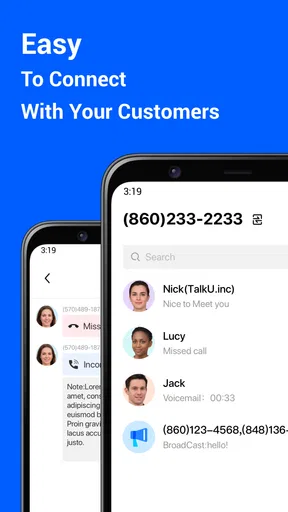
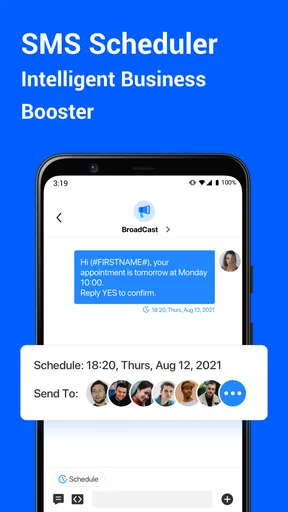
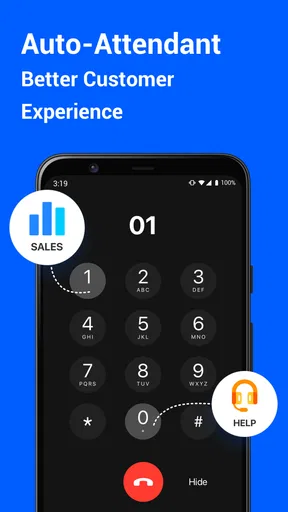
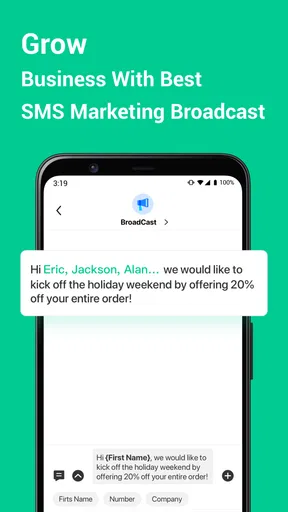
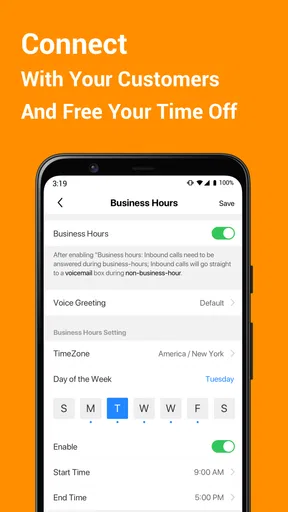
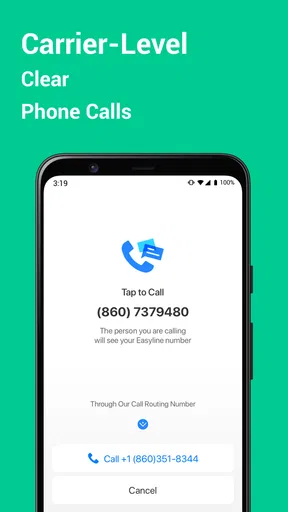
Our Review of EasyLine Business Phone Number
 Analysis by Appyee
EasyLine Business Phone Number is the kind of app that makes immediate sense when your personal number has started doing too many jobs. I tested it as a separate line for everyday business communication, and my first impression was practical rather than exciting: it gives you a clearer boundary between private calls and work-related conversations. That simple separation can be valuable for freelancers, small sellers, tutors, landlords, and anyone who needs a second number without carrying another phone.
Developed by TalkU International Inc., this free Business app is built around the idea of a local second phone number used as a sideline. It is available to users aged Everyone, and the current version is 1.7.0. The app has reached over 100 thousand installs and holds a 4.0 average from around 1.3 thousand ratings, so it has enough usage behind it to feel like an established utility rather than a completely untested experiment.
From useful first impression to a lasting business habit
I’ve found that a second line only becomes useful when it changes a routine, not just a contact card. In this section, I’d look at how a clear purpose, a sensible check-in schedule, and a little care before sharing the number can make the separation more sustainable. That also sets up the next question: what the app’s current version tells us—and what it does not.
The first week: quick separation between private and work calls
The strongest part of the first week is how quickly the purpose becomes clear. Instead of handing out my personal number for a side business, I could use a separate line for customer questions, appointment requests, marketplace conversations, or short-term projects. That distinction is more than cosmetic. It makes it easier to decide which calls deserve attention immediately and which can wait until I am in work mode.
I found the separate-number approach especially useful for situations where trust needs to be built gradually. For example, someone selling furniture online may want buyers to reach them by phone but may not want every future contact connected to a private number. A tutor could use the business line for parents and students, while a property owner could keep inquiries about a rental away from family calls. EasyLine fits these small, practical situations better than a full business communications suite.
The app is free to install, which lowers the barrier to trying it. I would still approach the in-app purchase range carefully: individual purchases run from $2.99 to $149.99. That broad range means the cost of using the line can become an important part of the decision, especially for somebody who only needs a temporary number or receives very few calls. Before settling into a routine, I would check exactly which paid option matches the way I expect to use the service.
One useful habit is to decide in advance what the second number is for. If I use it for everything, it quickly becomes another inbox that needs attention. If I reserve it for one role, such as client calls or local sales, the benefit is much easier to notice. The app works best when the number has a clear job instead of becoming a vague backup for every communication.
Where it fits better than the usual alternatives
The usual alternative is carrying a second phone with another mobile line. That approach may be more dependable for people who need a completely independent device, but it adds hardware, charging, and another object to manage. EasyLine is more convenient when the goal is simply to create a separate business identity on the phone already in hand.
Another alternative is using a personal number with labels, contact groups, or a messaging app. Those methods can organize conversations, but they do not create the same boundary. A contact label does not stop a customer from calling during family time, and a personal number may remain attached to business conversations long after a project ends. A second app-based number is a cleaner compromise for casual or small-scale work.
On the other hand, I would not treat EasyLine as a replacement for a complete office phone system. A larger company may need shared access, formal call routing, detailed administration, or a tightly controlled company-owned number. Those needs call for a more specialized service. EasyLine’s appeal is its lighter footprint: it is aimed at one person who wants an additional line, not at an organization that needs a full communications department in an app.
Three workflows that make the second line worthwhile
My first recommended workflow is a “public number” setup. I would place the EasyLine number on a business card, marketplace profile, local advertisement, or appointment message, while keeping my personal number limited to people I already know. This gives the second line a clear role and makes it easier to stop using it when a project or selling period ends.
The second workflow is time-based communication. A freelancer could check the business line at the start and end of the working day rather than reacting to every interruption. The important insight is not merely having another number; it is using that number to create a deliberate response schedule. Without that habit, the app can increase the number of places that demand attention.
The third workflow is testing a new business idea without immediately exposing personal contact details. Someone starting a home service, tutoring activity, or resale project can use the separate line while deciding whether the work is worth expanding. This is a sensible low-commitment stage, but I would keep records of important customers elsewhere rather than relying on the app as the only place where business history exists.
Month-to-month value depends on how often the line earns its keep
After the novelty fades, the question becomes simple: does the number continue solving a recurring problem? For me, the answer is yes when the line receives real business calls often enough to justify checking it. It is less convincing when it is created “just in case” and rarely used. A second number has value through repeated separation, not through the act of installing the app.
That makes EasyLine a good match for people with irregular but genuine communication needs. A seasonal seller, independent contractor, or occasional consultant may not need an expensive business phone setup, yet still benefit from avoiding personal-number exposure. The app also makes sense for a person who is experimenting with a side project and wants to keep that project distinct from private life.
The value is weaker for somebody who already has a reliable work phone supplied by an employer or who communicates almost entirely through email and established messaging platforms. In those cases, a second number may create more maintenance than convenience. I would also hesitate if every customer interaction requires a permanent, professionally managed record, because a lightweight phone-number app may not provide the structure that a dedicated business system offers.
A useful monthly check is to ask three questions: how many meaningful calls came through the line, did it prevent personal interruptions, and did it help me respond more consistently? If the answer is no across the board, the app is probably occupying attention without returning much. If the number regularly protects privacy or keeps work organized, its value is easier to defend.
What ongoing maintenance really involves
Maintaining a second line is not difficult, but it is not completely passive either. I need to remember which number I am giving out, monitor it often enough not to miss legitimate calls, and keep the purpose of the line consistent. If I change the role of the number repeatedly, contacts can become confused and the separation loses its usefulness.
Notification discipline matters as well. A business line that alerts me at every hour can undermine the personal boundary it was meant to create. I would set a routine for checking it and avoid presenting the number as an always-available emergency contact unless I truly intend to answer that way. The app can create separation, but the user still has to enforce the schedule.
I would also keep an independent contact list for important business relationships. That is a practical safeguard, not a criticism of the app. Phone numbers and conversations are only one part of a working relationship, and a small business should not depend on memory or a single communication tool for customer details, appointments, payment notes, or follow-up tasks.
Another maintenance point is cost awareness. Because in-app purchases range from $2.99 to $149.99 per item, I would review the purchase screen before committing to a long-term pattern. A low-cost trial may be reasonable for a temporary project, while a larger purchase deserves more careful thought about expected call volume and how long the number will remain useful. The free entry point is attractive, but “free to start” should not be confused with “free for every long-term use.”
The sources of fatigue after the initial appeal
The first source of fatigue is having another communication channel to check. Even when the second number is useful, it creates one more place where a message or call may be waiting. People who already struggle with several inboxes, social accounts, and work tools may find that the added separation feels like added administration.
The second is the risk of unclear boundaries. A separate number can protect privacy, but only if customers understand when they should call and when they should wait. If I answer the business line from the sofa late at night, I may gradually train contacts to expect that behavior. EasyLine cannot decide my availability for me; it only gives me a tool for organizing it.
The third issue is commitment. A number used on advertisements or printed material can become inconvenient to abandon. Before distributing it widely, I would decide whether the project is temporary or ongoing. For a short experiment, I would limit where I publish the number. For a continuing business, I would make sure the ongoing purchase and maintenance fit the budget before building customer habits around it.
There is also a psychological cost to splitting attention. Some users will enjoy seeing personal and work calls separated. Others may feel pressured to maintain two identities on one device. If the second line makes me check the phone more often rather than work more calmly, the arrangement is not helping, even if the number itself functions as intended.
Who should use it, and who should choose something else?
I would recommend EasyLine to a solo worker who wants a straightforward business phone number without buying a second handset. It is also a sensible option for people who sell items locally, arrange appointments, run a small service, or need a public contact number while protecting their private one. The best users are comfortable managing their own availability and do not need a complex team telephone system.
I would be more cautious about recommending it to a growing company with several employees, a receptionist, or strict requirements for shared call handling. I would also suggest looking elsewhere if the number must support a formal customer-service operation with advanced controls and a strong administrative trail. In those cases, a dedicated business phone platform is likely to justify its extra complexity.
People who want a disposable number for a single brief interaction should think about the purchase structure before relying on it. The app may still be useful, but the total cost and the effort of distributing the number should match the short-term purpose. Conversely, someone who expects to use the line every week for real customer conversations has a stronger reason to make it part of a routine.
My long-term verdict
EasyLine Business Phone Number earns lasting space on my phone when I treat it as a boundary-setting tool, not as a novelty. Its best quality is practical: it lets one person present a separate contact identity without carrying another phone. That can make a noticeable difference in privacy, organization, and the ability to keep side work from blending completely into personal life.
Its weaknesses are equally practical. A second line needs regular checking, sensible notification habits, and some thought about purchase costs. It does not automatically create a professional office system, and it can become another source of interruptions if I give the number out too broadly. The app is most convincing when the problem is “I need one additional line,” not “I need a complete business communications platform.”
For my use, the deciding test is whether the number continues to prevent personal contact details from spreading and whether it helps me answer work calls on my own schedule. When both benefits are present, the free starting point and focused purpose make EasyLine worth keeping. When the line sits unused or demands more monitoring than the work generates, removing it is the more sensible choice.
Overall, I see this as a focused utility from TalkU International Inc. rather than an all-purpose business solution. Its 4.0 average and growing install base suggest that many people find the basic idea useful, but the real measure is personal routine. The lasting value comes from consistent separation, not from simply having a second number. If that separation solves a recurring problem for you, EasyLine is easy to recommend; if you need teamwork, formal management, or a fully managed office phone system, I would choose a more specialized alternative.
Verdict
Strengths of EasyLine Business Phone Number
- Separate business number keeps personal calls and contacts private.
- Professional voicemail and call handling improve your business image.
- Easy to add a second line without buying another physical SIM.
- Useful calling tools help manage customer communication on the go.
- Cloud-based access lets you stay reachable when changing devices.
Limitations of EasyLine Business Phone Number
- Call quality can depend heavily on your internet connection.
- Some advanced features may require a paid subscription.
- International calling rates may vary and require careful checking.
- Notifications can be missed if background activity is restricted.
- Not ideal for businesses needing a full multi-user phone system.
Other Releases by TalkU International Inc.
View All
2nd Phone Number - Call & Text
Communication4.0
Similar Picks in This Category
View All
LinkedIn: Community & Network
LinkedIn3.8

Zoom Workplace
zoom.com4.1

Microsoft Teams
Microsoft Corporation4.6

Meta Business Suite
Meta Platforms, Inc.4.6

Webex Meetings
Cisco Systems, Inc.4.5

TeamViewer Remote Control
TeamViewer4.4
Frequently Asked Questions
What is EasyLine Business Phone Number used for?
EasyLine Business Phone Number is designed to give small businesses, freelancers, and independent professionals a separate business number without requiring another physical phone. It can help you keep work calls and messages apart from your personal communications, present a more professional image, and manage customer conversations from a compatible mobile device.
Can I use EasyLine Business Phone Number without a second SIM card?
In most cases, the service is intended to provide a business line through the app, so you may not need to purchase a second SIM card or carry an additional phone. However, availability and the exact setup can depend on your country, device, mobile connection, and the plan selected. Check the supported regions and requirements before subscribing.
Does EasyLine Business Phone Number include calling and texting features?
The app generally focuses on business communication features such as making and receiving calls, handling text messages, and keeping customer conversations connected to your business identity. Available functions may vary by subscription and location, so users should review whether features like voicemail, caller ID, call forwarding, automated replies, or team tools are included in their chosen plan.
Is EasyLine Business Phone Number free to use?
EasyLine Business Phone Number may allow users to download the app at no cost, but access to a business number and advanced communication tools can require a subscription, trial, or other payment. Pricing, billing periods, included minutes or messages, and available plans may differ by region. Review the current in-app pricing before starting a trial or purchase.
Is EasyLine Business Phone Number suitable for teams and customer support?
The app can be useful for solo professionals and small businesses that need a dedicated line for customers, bookings, sales, or general inquiries. Whether it is suitable for a larger team depends on features such as shared access, multiple users, call management, conversation history, and administrative controls. Businesses should confirm these capabilities before replacing an existing phone system.
